What Does a Commercial Construction Company Do?
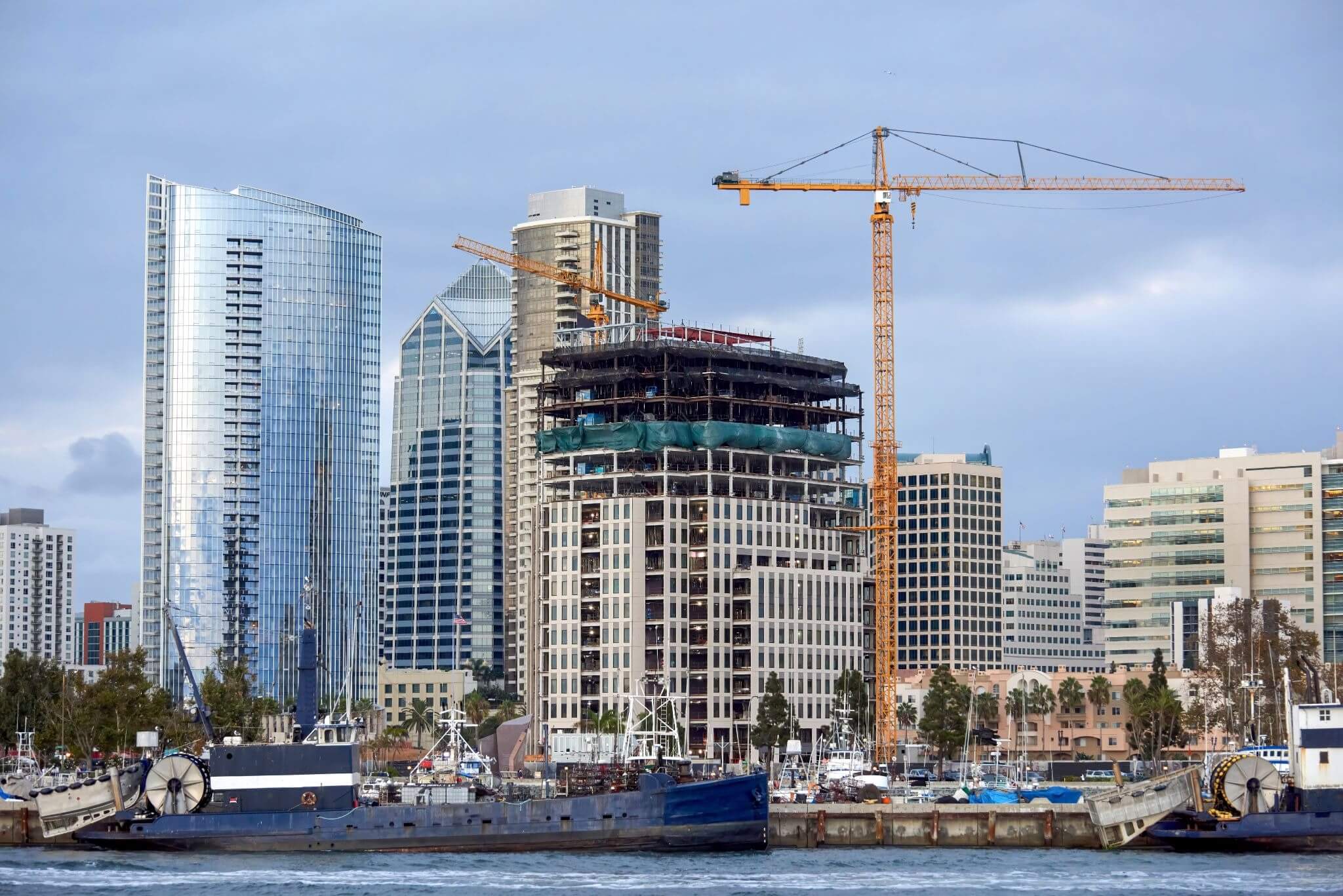
A commercial construction company builds and renovates non-residential buildings such as hospitals, offices, schools, data centers, warehouses, and retail. It manages design coordination, permits, budgets, schedules, subcontractors, and safety from groundbreaking through closeout. The job is to turn a set of drawings into a working building, on time and on budget, without disrupting the people and operations around it.
I have spent 25 years on those projects. I have worked both sides of the table. First as the general contractor building the work, then as the owner's representative protecting the client paying for it. That adds up to more than $1 billion in work across over 17 healthcare facilities, most of it while the building stayed open.
That last part matters more than most people realize.
What a Commercial Construction Company Actually Does
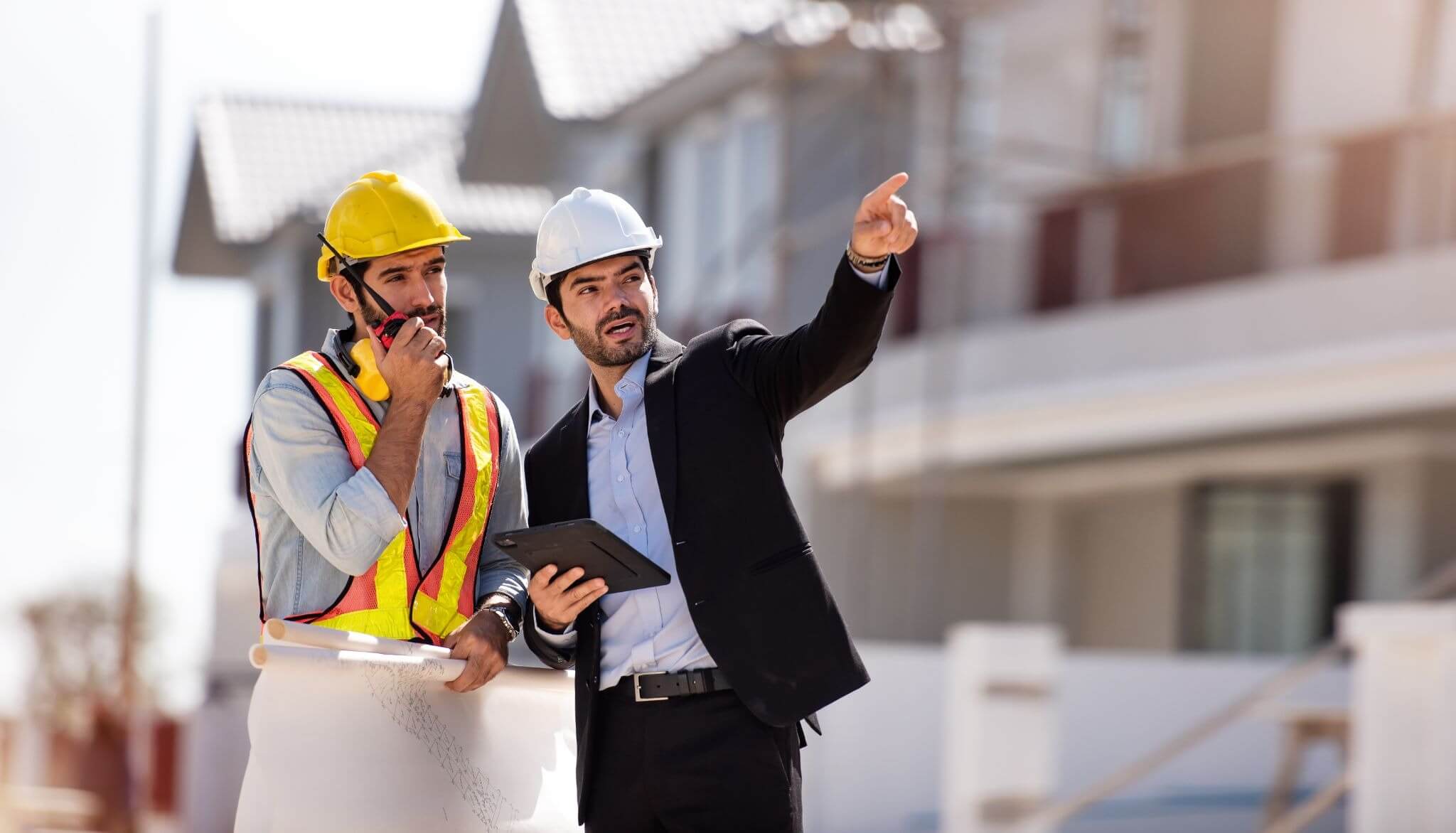
A commercial builder is the entity responsible for delivering a non-residential building. In most jobs that means a General Contractor (GC) or a Construction Manager (CM) who coordinates dozens of trades and holds the schedule and the budget together.
The core work breaks down like this:
Preconstruction. Reviewing drawings for buildability, pricing the work, and flagging problems before they cost money. Good GCs catch the expensive mistakes here, on paper.
Permitting and code compliance. Commercial buildings answer to far stricter codes than a house ever will. Fire. Life safety. Accessibility. Structural.
Scheduling and sequencing. Ordering the work so electricians are not fighting mechanical crews for the same ceiling on the same day.
Subcontractor management. Hiring, coordinating, and paying the specialty trades: steel, concrete, MEP, medical gas, low-voltage.
Budget and cost control. Tracking pay applications, change orders, and contingency so the number at closeout resembles the number in the contract.
Safety. Running an OSHA-compliant site where people go home the way they arrived.
Closeout and commissioning. Testing systems, training the owner's staff, and handing over a building that works.
Miss any one of these and the project does not just slip. It costs someone their budget, their opening date, or their trust.
Which one you lose depends on the job. The one that never grows back is the third.
The Misconception That Costs Owners the Most
The most common belief I run into is that hiring a good contractor means the owner can step back.
It does not work that way. The general contractor is accountable for delivering the project defined in the contract. That is the correct job, and a good GC does it well. The owner still needs someone reading the work from the owner's side of the table: verifying quality, questioning change orders, and reading a schedule for what it is not saying.
Two different seats. Two different interests. Confuse them, and the owner finds out at closeout.
That second seat is the work we do at BCP Critical Solutions.
Commercial vs Residential Construction: What Is the Difference?
People ask me this constantly. The short answer is scale, code, and stakes. A residential builder puts up homes for individuals and families. A commercial builder delivers buildings for businesses, institutions, and the public, under heavier regulation, larger budgets, and more people with a say.
The gap is not only technical. In a home, one family lives with the outcome. In a hospital, a wrong sequence during a shutdown puts patient safety at risk. The margin for error narrows fast when the building cannot close.
That difference is the reason the leadership demands are different too. I wrote about what the work asks of the people running it in The Complete Guide to Construction Leadership.
The Projects Where There Is No Room to Improvise
The stakes get sharpest on work that cannot stop.
One emergency I managed at a private academic medical center in Northern California showed what this work demands when something goes wrong. A sewer line failed during an active renovation. Black water. Raw sewage.
Spreading into a wing housing critically ill patients. I was hours away when the calls started coming in. I directed the response from the road — four simultaneous work streams running at once: patient relocation off the affected floor, source containment, hazmat and cleanup protocols, and infection control barrier installation.
By the time I arrived that night, the barriers were set, the contaminated materials were out, and the hazmat protocols were complete. The emergency response was over. What followed was months of complex sewer stack replacement, room by room, night after night, in a hospital that never stopped treating patients. The building never closed. Care never stopped. That is what commercial construction demands when the stakes are real — not improvisation, but a team that already knows what to do before the crisis arrives.
A perfectly boring shutdown is the result of exhaustive preparation, not luck.
That same discipline is why owners of data centers, labs, and any facility that cannot go dark plan the work down to the minute, and why they keep someone in the owner's seat watching it happen. If your project includes a tie-in or an outage, start with Hospital Shutdown Planning: The Definitive Guide.
What Are the Latest Trends in Commercial Building Construction?
Growth this year is concentrated, and the headline numbers hide it.
The American Institute of Architects moved its 2026 Consensus Construction Forecast from a 1% gain to a 0.3% decline in nonresidential building spending, after the first five months of the year came in roughly 7% below the same stretch in 2025. In that same forecast, commercial spending is up 4.8%. Both figures are accurate, because the growth is sitting in one place.
Data centers are carrying the commercial number. Take data centers out of that 4.8%. Commercial spending turns into a decline of about 1% for the year. Deloitte's 2026 outlook reads the same way. Investment in structures is pivoting from a 2025 decline to roughly 1.8% growth, led by AI-driven data center and energy work, while office and retail stay cautious.
Size is deciding who is busy. ABC's Construction Backlog Indicator sat at 8.8 months in April 2026. Contractors above $100 million in annual revenue were running 2.2 months ahead of the year before. Every other size category was behind.
Four things I am seeing on jobs right now, from the field rather than from a forecast:
Cost control moved earlier. With steel and mechanical pricing still unsettled, teams are value-engineering during design instead of after the bids come back.
Prefabrication keeps taking work off the critical path. Wall systems, mechanical assemblies, and bathroom pods get built off-site while the site is still being prepared.
Scheduling and cost software finally earns its keep, for the teams who set it up to watch the right things. It will flag a slipping milestone weeks before it reaches a report. It will also produce a lot of noise if nobody reads it.
Owners are buying outcomes, not only buildings. More contracts now run past closeout into ongoing service, which pushes decisions about how a building will actually run back into design, where they belong.
The pattern holds in both directions. Owners who plan and oversee carefully come out ahead in a tight market. The ones waiting for a better one keep losing ground.
Key Takeaways
A commercial construction company delivers non-residential buildings from design through closeout, managing code, budget, schedule, trades, and safety. Commercial differs from residential in scale, regulation, complexity, and consequence.
Hiring a contractor does not replace owner-side oversight. The two protect different interests.
Work that cannot stop demands the highest planning discipline, and that discipline transfers to any critical facility. In 2026, the market is splitting. Data centers and large contractors are carrying the growth.
Frequently Asked Questions
What does a commercial construction company do?
It builds and renovates non-residential buildings, coordinating design, permits, budgets, schedules, subcontractors, and safety from start to finish.
How do commercial construction companies differ from residential builders?
They work at larger scale, under stricter commercial codes, with more complex materials and systems, bigger budgets, longer timelines, and far more oversight.
What's the difference between residential and commercial construction?
Residential builds homes for individuals and families. Commercial builds for businesses and institutions, under heavier regulation and with higher stakes when something goes wrong.
What is the difference between a general contractor and a construction manager?
A general contractor holds the trade contracts and carries the risk of delivering the work for a set price. A construction manager is typically brought on earlier to advise the owner during design and preconstruction, and may or may not hold the trade contracts depending on the delivery method.
What are the biggest commercial construction trends in 2026?
Data center growth carrying the commercial sector, a widening gap between large and small contractors, cost control moving into design, and continued expansion of prefabrication.
Do I need an owner's representative if I already hired a general contractor?
On any project where a delay or a defect carries real cost, yes. The contractor is accountable to the contract. An owner's representative is accountable to the owner's interests, which is a different job.

If you own or oversee a commercial project that cannot afford surprises, a good contractor is not the whole answer. You also need someone in the owner's seat while the work goes up, verifying quality, reading the schedule, and questioning the change orders before they cost you.
That is the work at Building Construction People: Owner's Rep, Program Oversight, and Critical Shutdown Planning, delivered by an experienced owner's representative with decades of healthcare construction leadership.
Start with a conversation. Thirty minutes, no obligation.
If you would rather start with the thinking behind it, that is what Building People Who Build Hospitals is for.